



Table of Contents
Do Hard Hats Really Expire?
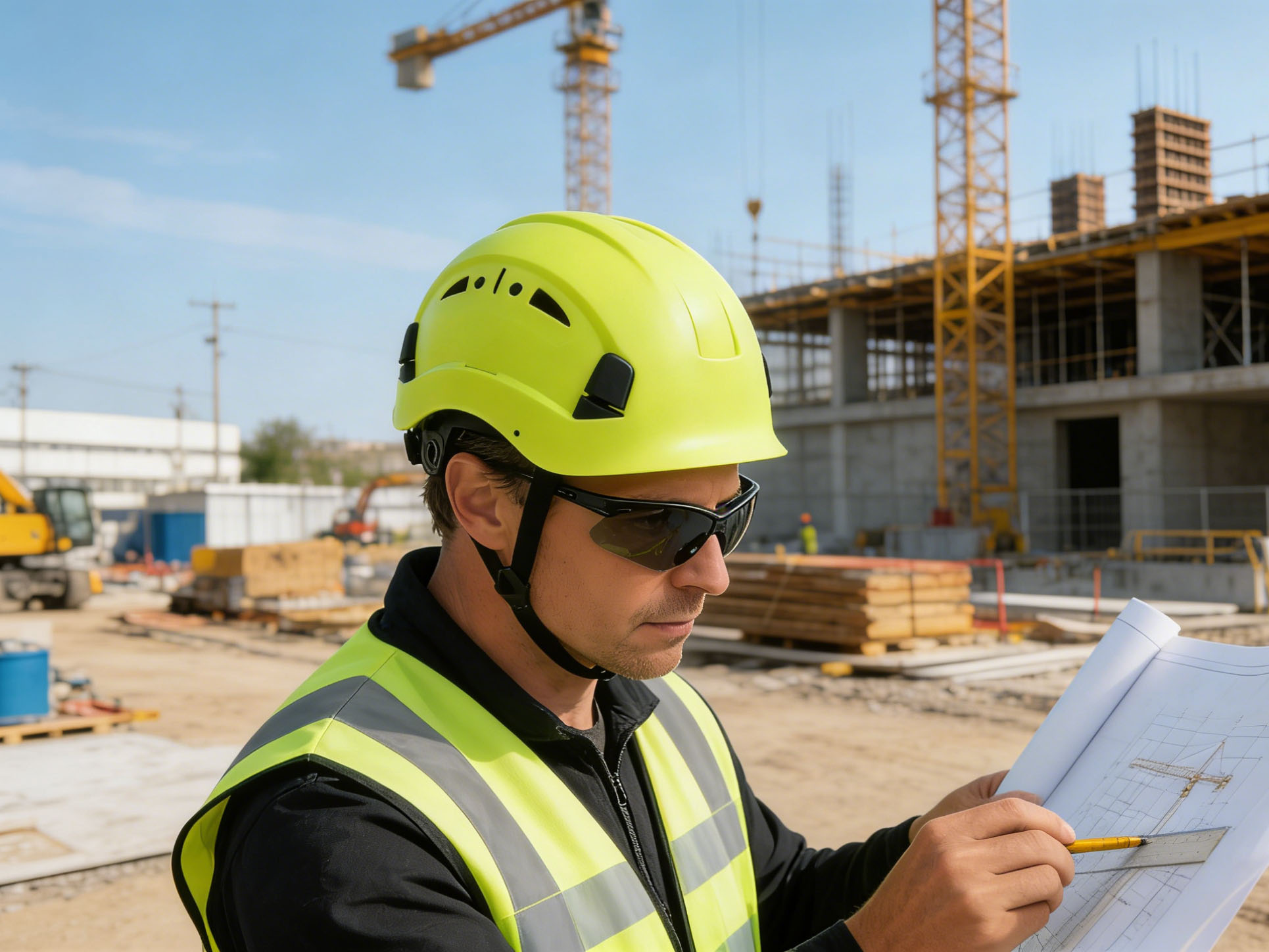
Yes, hard hats and safety helmets do expire over time. Even if a helmet appears undamaged on the outside, the protective materials inside the shell gradually weaken due to sunlight, heat, chemicals, moisture, and daily wear.
Most manufacturers recommend replacing:
The suspension system every 12 months
The hard hat shell every 2–5 years depending on working conditions
Industrial safety helmets are designed to absorb impact energy. Once the material begins degrading, the helmet can no longer provide reliable protection against falling objects, slips, or workplace accidents.
According to OSHA and ANSI safety standards, employers are responsible for ensuring workers use properly maintained head protection equipment. Using expired or damaged hard hats may increase the risk of serious injury on construction sites, factories, warehouses, and industrial workplaces.
At ANT5PPE, we work with industrial distributors, construction companies, and PPE buyers worldwide to provide certified safety helmets designed for long-term workplace protection and comfort.
How Long Are Hard Hats Good For?
The lifespan of a hard hat depends on several factors, including the helmet material, frequency of use, exposure to sunlight, and workplace conditions.
Here is a general guideline for hard hat replacement:
Component | Recommended Lifespan |
|---|---|
Suspension System | 12 months |
Hard Hat Shell | 2–5 years |
Harsh Environments | Replace sooner if damaged |
Workers in high-temperature environments, outdoor construction sites, or chemical plants may need to replace their helmets more frequently.
Safety Helmet vs Traditional Hard Hat Lifespan
Modern safety helmets with chin straps often provide better impact protection and stability than traditional hard hats. However, their lifespan still depends on proper maintenance and storage.
High-quality ABS safety helmets generally offer better durability and aging resistance compared to standard HDPE hard hats.
Manufacturer Recommendations
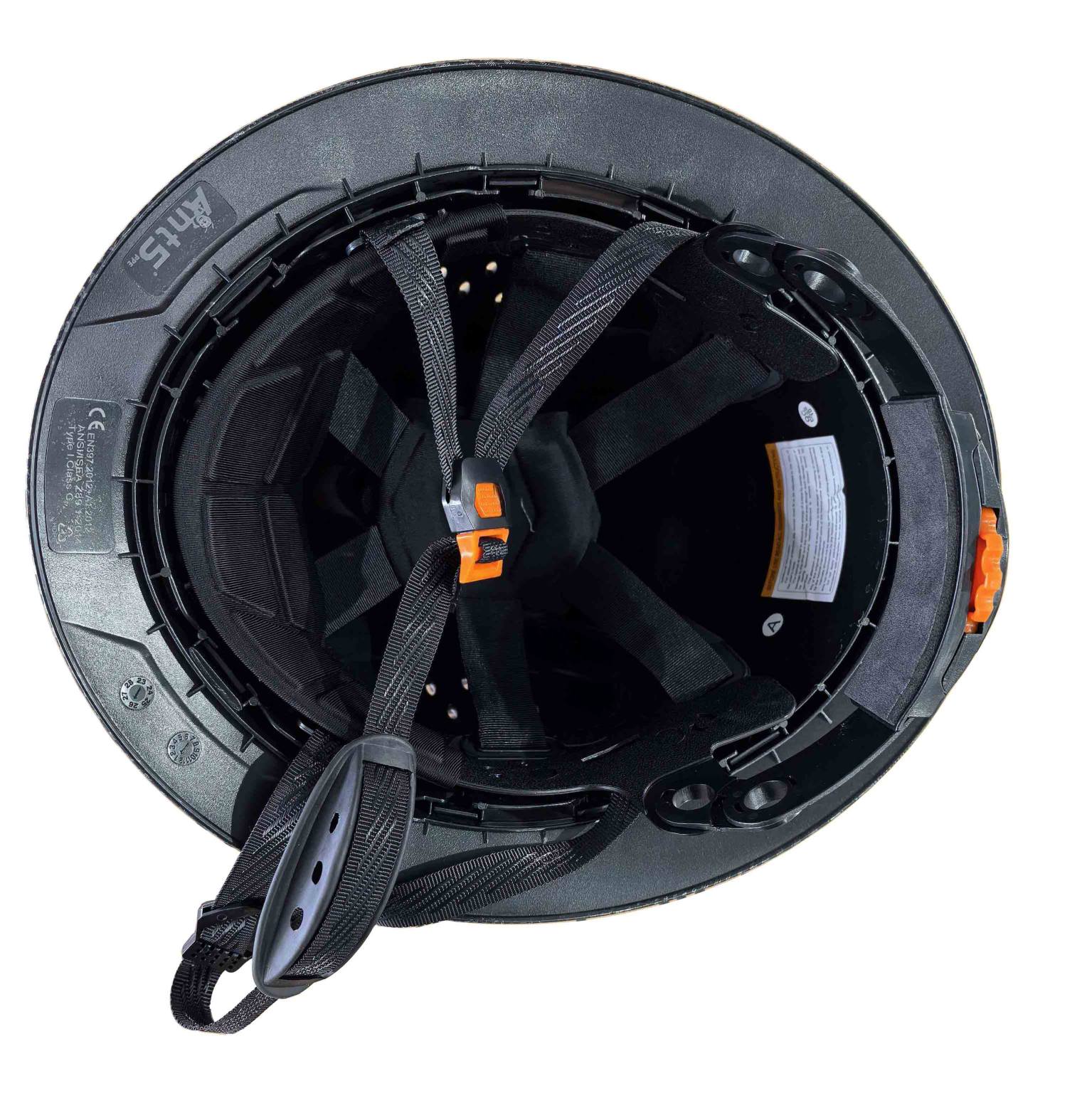
Always follow the manufacturer’s instructions printed inside the helmet. Most safety helmets include a manufacturing date stamp that helps users track service life and replacement schedules.
How to Check the Expiration Date on a Hard Hat
Many workers do not realize that hard hats include manufacturing information molded directly into the shell.
Where to Find the Manufacturing Date
The manufacturing date is usually located:
Inside the hard hat shell
Under the brim
Near the ANSI certification markings
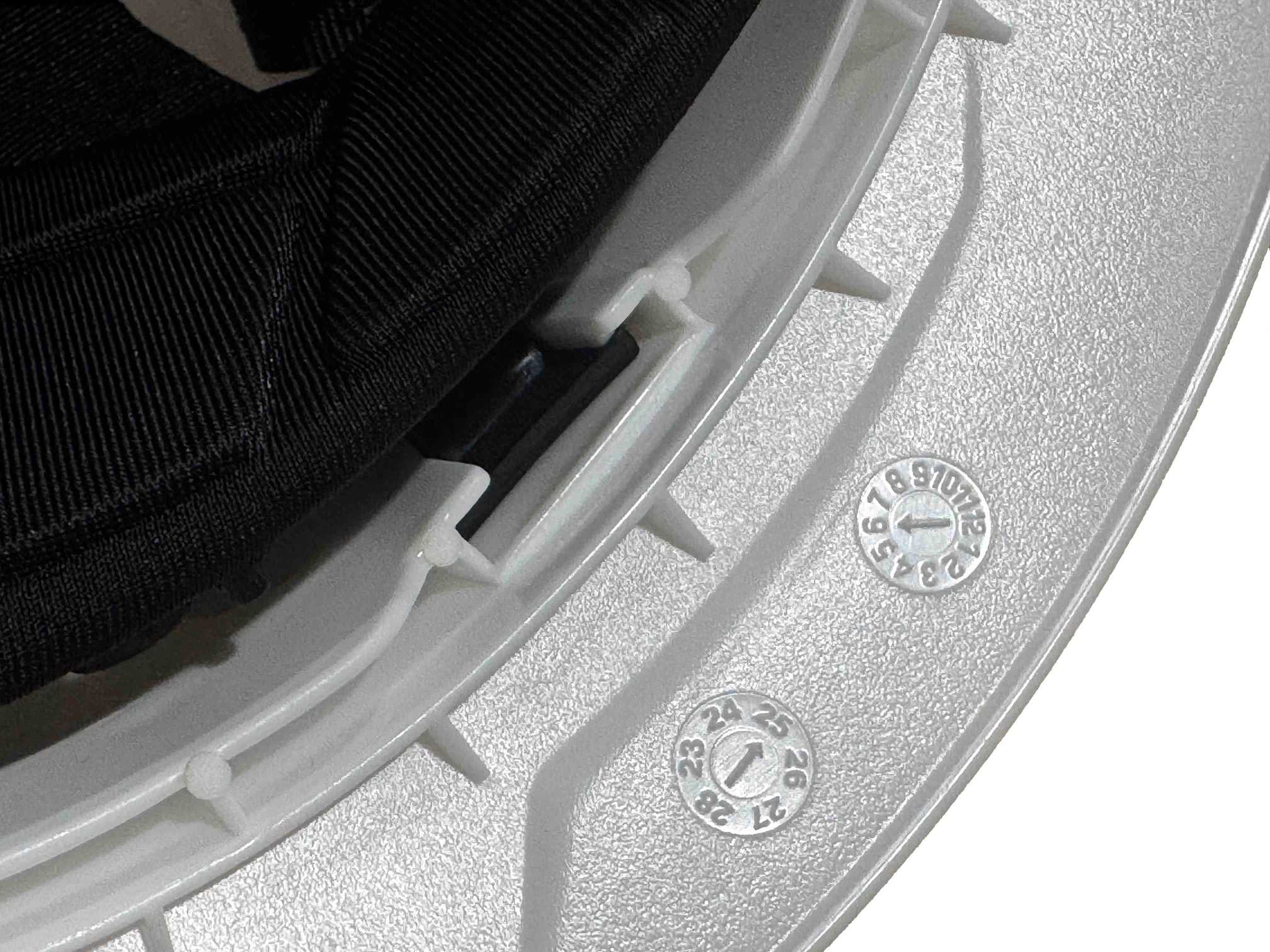
Most helmets use a circular date code showing the month and year of production.
How to Read the Date Stamp
A typical hard hat date stamp looks like a clock face:
The center number indicates the year
The outer ring indicates the month
For example:
Arrow pointing to “6”
Center marked “25”
means the helmet was manufactured in June 2025.
What the ANSI Markings Mean
ANSI-approved hard hats typically include markings such as:
ANSI Z89.1
Type I or Type II
Class G, E, or C
Type I helmets protect against impacts from above, while Type II helmets provide additional side-impact protection.
Class ratings indicate electrical protection levels.
What Causes Hard Hats to Expire Faster?
Several environmental and workplace factors can reduce the lifespan of a hard hat.
UV Exposure and Sunlight
Continuous exposure to sunlight can weaken the plastic shell over time. UV rays cause fading, brittleness, and surface cracking.
Outdoor construction workers often experience faster helmet degradation than indoor workers.
Extreme Temperatures
High heat may warp helmet materials, while extremely cold temperatures can reduce flexibility and increase cracking risk.
Chemical Exposure
Contact with oils, solvents, paints, adhesives, or industrial chemicals may damage the helmet shell and suspension components.
Daily Wear and Tear
Frequent use naturally causes aging. Scratches, impacts, and repeated handling all contribute to material fatigue.
Improper Storage
Leaving hard hats inside vehicles, near windows, or in hot storage areas can significantly shorten their lifespan.
5 Signs You Should Replace Your Hard Hat Immediately
Even before the official expiration period, certain warning signs indicate that a helmet should be replaced immediately.
Cracks or Brittle Shell
Visible cracks or brittle plastic reduce impact protection and compromise safety performance.
Faded or Chalky Surface
A faded or powdery surface usually indicates UV damage and material degradation.
Damaged Suspension System
If the suspension straps become torn, stretched, loose, or uncomfortable, the helmet can no longer distribute impact forces properly.
After a Major Impact
Hard hats are designed for impact absorption. After a significant hit, the internal structure may be damaged even if no cracks are visible.
Loose Fit or Deformation
A helmet that no longer fits securely should be replaced immediately.
Can You Use a Hard Hat After an Impact?
In most cases, a hard hat should be replaced after a major impact.
Even if the outer shell appears normal, the internal structure may have absorbed impact energy and weakened permanently.
This hidden damage can reduce protection during future accidents.
If a helmet experiences:
Falling object impact
Heavy collision
Significant drop
Compression damage
it should be removed from service and replaced immediately.
How to Extend the Lifespan of a Safety Helmet
Proper maintenance helps maximize helmet performance and service life.
Proper Cleaning Methods
Use:
Mild soap
Warm water
Soft cloth
Avoid harsh chemicals, solvents, or abrasive cleaners.
Correct Storage Conditions
Store helmets:
Away from direct sunlight
In cool, dry environments
Away from chemicals or heat sources
Routine Inspection Checklist
Inspect helmets regularly for:
Cracks
Surface fading
Loose suspension
Damaged chin straps
Deformation
When to Replace Accessories
Replace damaged:
Sweatbands
Chin straps
Suspension systems
Visors and attachments
according to manufacturer recommendations.
Hard Hat Lifespan by Material
Different helmet materials offer different durability levels.
HDPE Hard Hats
HDPE (High-Density Polyethylene) hard hats are lightweight and affordable. They are commonly used in construction and general industrial environments.
However, HDPE helmets may degrade faster under prolonged UV exposure.
ABS Safety Helmets
ABS safety helmets provide better impact resistance, heat resistance, and long-term durability compared to standard HDPE models.
Many modern industrial buyers prefer ABS safety helmets because they offer an excellent balance of protection, comfort, and service life.
At ANT5PPE, ABS safety helmets are among the most popular choices for construction, energy, manufacturing, and industrial applications worldwide.
Fiberglass Hard Hats
Fiberglass helmets offer excellent durability and heat resistance but are usually heavier and more expensive.
They are often used in welding, foundries, and high-temperature industries.
Material | Durability | UV Resistance | Typical Use |
|---|---|---|---|
HDPE | Moderate | Moderate | General construction |
ABS | High | High | Industrial safety helmets |
Fiberglass | Very High | Excellent | High-heat environments |
Do Stickers, Paint, or Modifications Affect Hard Hat Safety?
Yes. Unauthorized modifications may reduce helmet safety performance.
Some paints, solvents, and adhesives can weaken the shell material and increase cracking risk.
Drilling holes or modifying the shell may also affect ANSI compliance.
If stickers are used, follow the manufacturer’s recommendations and avoid covering inspection areas or damaging the helmet surface.
Hard Hat Replacement Rules for Construction Companies
Construction companies should establish clear helmet inspection and replacement policies to improve workplace safety and regulatory compliance.
Employee Inspection Policies
Workers should inspect helmets before every shift.
Replacement Schedules
Many companies implement scheduled replacement programs based on:
Usage conditions
Environment
Manufacturer recommendations
Record Keeping and Compliance
Maintaining inspection records helps companies comply with workplace safety regulations and reduce accident risks.
For large industrial projects, many contractors and PPE distributors choose to work directly with professional safety helmet manufacturers to ensure consistent product quality and long-term supply stability.
Frequently Asked Questions
Do hard hats expire if never used?
Yes. Even unused hard hats age over time due to natural material degradation.
How often should safety helmets be replaced?
Most manufacturers recommend replacing the suspension yearly and the shell every 2–5 years.
Can I wear a hard hat after dropping it?
If the drop caused impact damage or deformation, the helmet should be replaced.
Do hard hats expire in storage?
Yes. Heat, sunlight, and aging can affect stored helmets over time.
What is the shelf life of a hard hat?
Shelf life varies by material and manufacturer, but most hard hats should not be stored for excessive periods before use.
How long do ANSI hard hats last?
ANSI does not specify an exact lifespan, but manufacturers typically recommend replacement within 2–5 years.
Do safety helmets last longer than hard hats?
High-quality safety helmets made from ABS or advanced materials may provide improved durability compared to traditional HDPE hard hats.
Why choose ANSI-certified safety helmets from professional manufacturers?
Professional manufacturers such as ANT5PPE provide safety helmets designed to meet ANSI and industrial safety requirements while offering options for customization, branding, ventilation, and workplace-specific protection.
Final Thoughts
Hard hats and safety helmets are critical personal protective equipment designed to protect workers from serious head injuries. However, no helmet lasts forever.
Regular inspection, proper storage, and timely replacement are essential for maintaining workplace safety and ANSI compliance.
Whether you use traditional hard hats or modern industrial safety helmets, choosing certified, high-quality head protection can help reduce risks and improve worker safety in demanding environments.
At ANT5PPE, we specialize in ANSI-compliant industrial safety helmets and protective eyewear for construction, manufacturing, energy, warehousing, and industrial workplaces worldwide.
If you are looking for durable ABS safety helmets, customized PPE solutions, or reliable long-term supply support, our team can help you choose the right protection for your workforce.