



Table of Contents
What Is an HDPE Safety Helmet?
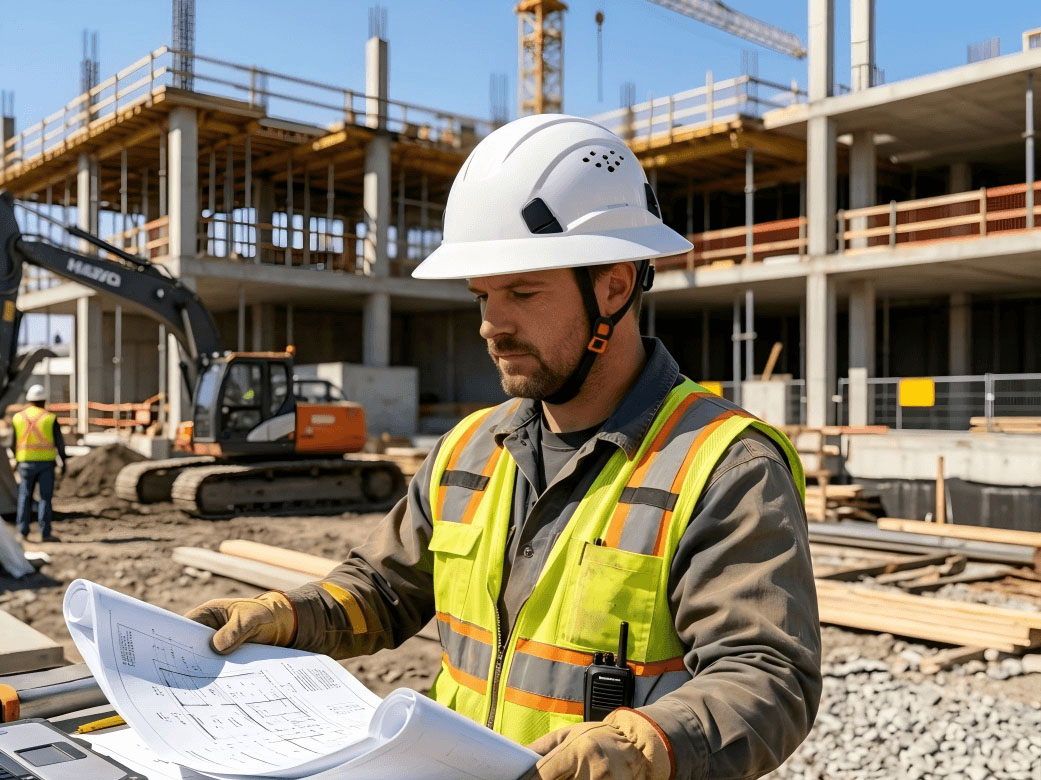
HDPE stands for High-Density Polyethylene, one of the most commonly used materials in industrial safety helmets and hard hats. HDPE safety helmets are widely used in construction, utilities, logistics, infrastructure, and general industrial applications because they provide a lightweight structure, reliable impact protection, and excellent electrical insulation performance.
HDPE shells are manufactured through injection molding and are known for their flexibility. Instead of cracking immediately under impact, HDPE shells can slightly deform to help disperse impact energy and reduce force transmission to the wearer’s head.
Because of their lightweight design and cost efficiency, HDPE helmets remain one of the most popular choices for large workforce projects and outdoor industrial environments.
Advantages of HDPE Safety Helmets
Lightweight and comfortable for long working hours
Excellent electrical insulation properties
Good UV and outdoor weather resistance
Cost-effective for bulk PPE purchasing
Suitable for hot climates and outdoor use
Flexible shell helps absorb impact energy
Limitations of HDPE Helmets
Although HDPE offers excellent comfort and outdoor performance, it has lower structural rigidity compared with ABS. HDPE helmets may also deform under high temperatures and usually provide a more basic industrial appearance.
For applications requiring advanced accessory integration or higher shell rigidity, ABS helmets are often preferred.
What Is an ABS Safety Helmet?
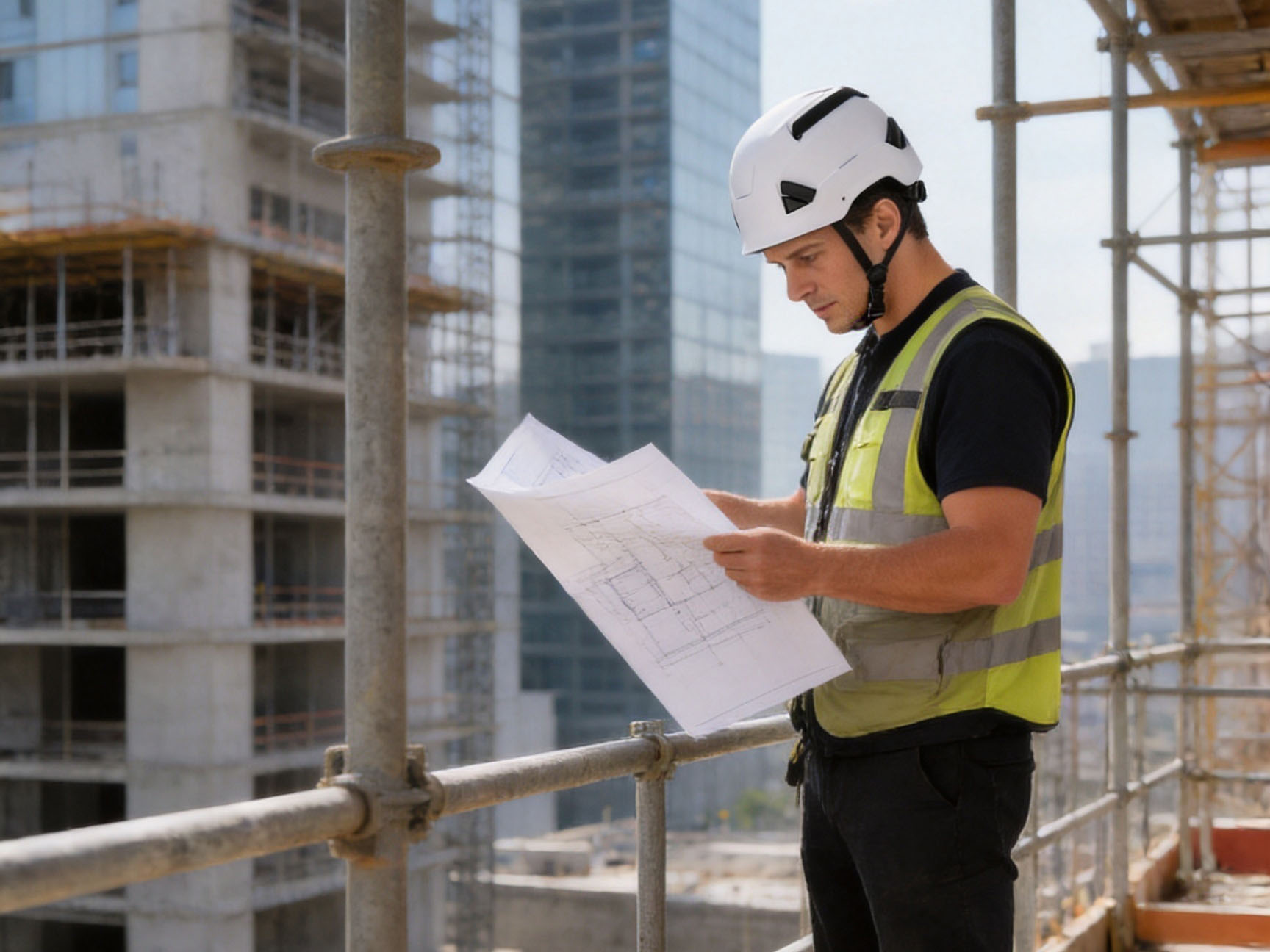
ABS stands for Acrylonitrile Butadiene Styrene, an engineering thermoplastic known for its high rigidity, strong impact resistance, and premium surface finish. ABS is widely used in modern industrial helmets, especially Type II safety helmets, climbing-style helmets, rescue helmets, and advanced industrial PPE products.
Compared with HDPE, ABS provides a harder and more structurally stable shell. This allows manufacturers to create more precise helmet designs with better compatibility for accessories such as face shields, earmuffs, visors, communication systems, and chin straps.
Because of its premium appearance and stronger shell stability, ABS has become increasingly popular in high-end industrial safety helmet markets.
Advantages of ABS Safety Helmets
Higher shell rigidity and structural stability
Strong impact resistance
Premium appearance and smooth surface finish
Better accessory compatibility
Ideal for Type II helmet structures
Better dimensional consistency for advanced helmet designs
Limitations of ABS Helmets
ABS helmets are generally heavier than HDPE helmets and may retain more heat during long outdoor use. In addition, ABS raw materials and production costs are typically higher, making ABS helmets more expensive.
Lower-quality ABS materials may also become brittle after prolonged UV exposure if they are not properly stabilized.
ABS vs HDPE Safety Helmets: Key Differences Explained
Both ABS and HDPE are widely used in industrial safety helmets, but they are designed for different working environments and protection priorities.
Feature | ABS Safety Helmet | HDPE Safety Helmet |
|---|---|---|
Weight | Slightly heavier | Lightweight |
Shell Structure | Rigid | Flexible |
Impact Behavior | Strong structural stability | Better energy dispersion |
Surface Finish | Premium smooth finish | Standard industrial finish |
UV Resistance | Moderate to good | Very good |
Electrical Insulation | Good | Excellent |
Heat Resistance | Better structural stability | Better comfort outdoors |
Comfort for Long Wear | Moderate | Excellent |
Cost | Higher | More economical |
Typical Applications | Mining, rescue, oil & gas | Construction, utilities, logistics |
Choosing the right helmet material depends on the actual work environment, safety requirements, comfort expectations, and budget.
Which Helmet Material Offers Better Impact Resistance?
Impact protection is one of the most important factors when selecting an industrial safety helmet.
HDPE helmets use a more flexible shell structure that helps absorb and disperse impact energy. Instead of cracking immediately, the shell can deform slightly during impact, helping reduce the transfer of force to the worker’s head.
ABS helmets provide higher rigidity and stronger structural stability. Their harder shell construction makes them ideal for advanced helmet systems requiring side impact protection, accessory mounting, and enhanced structural performance.
HDPE Impact Advantages
Better flexibility under impact
Lightweight protection
Excellent for standard industrial environments
Effective top-impact performance
ABS Impact Advantages
Higher shell rigidity
Better dimensional stability
Improved side impact structure
More suitable for Type II safety helmets
Better compatibility with integrated accessories
Both ABS and HDPE helmets can achieve high safety performance when properly engineered and certified.
Which Is Better for Hot Weather and Outdoor Use?
HDPE safety helmets are commonly preferred for outdoor construction and hot-weather applications.
Because HDPE helmets are lighter and retain less heat, they help reduce worker fatigue during long shifts under direct sunlight. HDPE also offers strong UV resistance, making it highly suitable for outdoor environments.
HDPE helmets are widely used in:
Construction projects
Roadwork
Infrastructure maintenance
Utility work
Warehousing
Outdoor logistics operations
ABS helmets can still perform well outdoors, especially high-quality UV-stabilized models. However, ABS shells are generally heavier and may feel warmer during extended outdoor use.
For high-temperature industrial environments requiring stronger structural rigidity, ABS may still be the preferred choice.
ABS vs HDPE: Which Helmet Is More Comfortable?
Comfort is critical for workers who wear safety helmets for extended periods every day.
HDPE helmets are generally considered more comfortable because of their lightweight structure and flexible shell design. Workers experience less neck strain and reduced fatigue, especially in outdoor or physically demanding environments.
ABS helmets provide a more solid and premium feel, but they are usually slightly heavier.
HDPE Comfort Benefits
Lightweight design
Reduced neck fatigue
Better for all-day wear
Ideal for hot climates
ABS Comfort Benefits
Stable helmet structure
Better balance with accessories
Premium suspension system compatibility
The final comfort level also depends on suspension quality, sweatband materials, ventilation design, and chin strap configuration.
Which Material Lasts Longer?
The lifespan of a safety helmet depends on multiple factors, including sunlight exposure, workplace conditions, storage environment, and impact history.
HDPE helmets are highly resistant to moisture and outdoor weather conditions, making them a reliable option for outdoor industrial use. However, long-term UV exposure can eventually weaken the shell over time.
ABS helmets maintain structural rigidity well, but lower-quality ABS materials may become brittle if exposed to prolonged sunlight without proper UV stabilization.
Factors That Affect Helmet Lifespan
UV exposure
Heat conditions
Chemical exposure
Storage conditions
Daily wear frequency
Impact incidents
Most manufacturers recommend replacing safety helmets every 2 to 5 years depending on usage conditions and local safety regulations.
Any helmet exposed to a significant impact should be inspected immediately and replaced if damage is found.
HDPE vs ABS Helmets for Different Industries
Different industries require different helmet performance characteristics. Both ABS and HDPE helmets are widely used across global PPE markets.
Industry | Recommended Material | Main Reason |
|---|---|---|
Construction | HDPE | Lightweight and economical |
Utilities | HDPE | Excellent electrical insulation |
Warehousing | HDPE | Comfortable for long wear |
Infrastructure | HDPE | Better outdoor performance |
Oil & Gas | ABS | Stronger shell rigidity |
Mining | ABS | Better accessory integration |
Rescue Operations | ABS | Advanced protection systems |
Industrial Climbing | ABS | Suitable for Type II structures |
Manufacturing | ABS | Durable premium construction |
Understanding the working environment is more important than simply selecting the more expensive material.
Are ABS and HDPE Helmets ANSI and EN397 Certified?
A common misconception is that ABS helmets are automatically safer than HDPE helmets. In reality, helmet safety depends on certification standards and product engineering rather than shell material alone.
Both ABS and HDPE safety helmets can meet international standards such as:
ANSI Z89.1
EN397
CSA Z94.1
EN12492
ANSI Helmet Types
Type I Helmets
Designed primarily for top impact protection.
Type II Helmets
Designed for both top and lateral impact protection.
Electrical Classes
Class E: Electrical protection
Class G: General electrical protection
Class C: Conductive helmets
Both ABS and HDPE materials can be used in certified helmets depending on the intended application and structural design.
Why ABS Is Commonly Used in Type II Safety Helmets
Many modern Type II safety helmets use ABS shell construction because ABS provides stronger structural rigidity and better dimensional stability.
Compared with traditional hard hats, Type II helmets are designed to protect workers from both top and side impacts. This requires a more advanced shell structure and better compatibility with internal protection systems.
ABS materials help manufacturers achieve:
Better shell consistency
Improved side impact structures
Stronger accessory mounting points
Better chin strap integration
More advanced climbing-style helmet designs
This is one reason why ABS helmets are becoming increasingly popular in modern industrial PPE markets.
Real Factory Insight: Why More Industrial Buyers Are Choosing ABS Helmets
As industrial safety standards continue evolving, more distributors and PPE buyers are looking for premium helmet solutions with improved protection, modern styling, and advanced accessory compatibility.
At ANT5PPE, we manufacture both HDPE and ABS safety helmets for different industrial applications. However, ABS helmets have become increasingly popular among buyers looking for:
Premium industrial helmet designs
Type II safety helmet structures
Better accessory integration
Stronger shell rigidity
Higher-end PPE product positioning
ABS materials also allow manufacturers to create more precise helmet shapes and smoother finishes, making them ideal for modern industrial climbing helmets and advanced workplace safety systems.
HDPE helmets remain highly popular for standard construction and utility applications because of their lightweight comfort and excellent cost efficiency.
By offering both ABS and HDPE helmet solutions, industrial buyers can better meet the safety requirements of different industries and work environments.
Cost Difference Between ABS and HDPE Safety Helmets
HDPE helmets are generally more affordable because the raw material cost and manufacturing expenses are lower.
This makes HDPE helmets ideal for:
Large construction projects
Government procurement
Bulk PPE purchasing
High-volume workforce deployment
ABS helmets usually cost more because they require:
Higher-grade engineering plastic
More precise molding processes
Premium surface finishing
Advanced structural designs
For OEM and private-label safety helmet brands, ABS helmets are often positioned as premium industrial products.
How to Choose the Right Safety Helmet Material
Choosing between ABS and HDPE safety helmets depends on the actual application, workplace environment, and protection requirements.
Choose HDPE Safety Helmets If:
Workers wear helmets for long hours
Lightweight comfort is important
The environment is hot or outdoors
Electrical insulation is required
Cost efficiency matters
Choose ABS Safety Helmets If:
Higher shell rigidity is needed
Side impact protection is important
Workers use integrated accessories
Premium helmet appearance matters
The application involves heavy industry or climbing-style helmets
Many global PPE distributors offer both materials to serve different market segments and customer requirements.
Frequently Asked Questions
Is ABS stronger than HDPE for safety helmets?
ABS is generally more rigid and structurally stable, while HDPE provides better flexibility and lightweight comfort. Both materials can achieve high safety performance when properly certified.
Which safety helmet material is lighter?
HDPE helmets are typically lighter than ABS helmets, making them more comfortable for long working hours.
Are HDPE helmets suitable for hot climates?
Yes. HDPE helmets are widely used in outdoor construction and hot-weather environments because they resist UV exposure and reduce heat retention.
Why are many Type II helmets made from ABS?
ABS provides stronger structural stability and better compatibility with side impact protection systems used in Type II safety helmets.
Which material is better for electrical work?
HDPE is commonly preferred for electrical applications because of its excellent insulation properties.
Are ABS helmets more expensive?
Yes. ABS helmets usually have higher material and manufacturing costs compared with HDPE helmets.
How long do industrial safety helmets last?
Most safety helmets should be replaced every 2 to 5 years depending on usage conditions, UV exposure, and manufacturer recommendations.
Which material is better for construction helmets?
HDPE is commonly used for construction helmets because it is lightweight, comfortable, and cost-effective for large workforces.
Looking for Reliable ABS and HDPE Safety Helmet Solutions?
Choosing the right safety helmet supplier is just as important as choosing the right helmet material.
A professional industrial safety helmet manufacturer should provide:
ANSI and EN397 certified products
Type I and Type II helmet solutions
OEM and ODM customization
Custom logo printing
Ventilated and non-vented designs
Full brim and cap-style helmets
Accessory compatibility
Stable bulk production capacity
At ANT5PPE, we manufacture both HDPE and ABS safety helmets for global distributors, wholesalers, PPE brands, and industrial buyers. From lightweight construction hard hats to advanced ABS Type II safety helmets, we provide customized industrial head protection solutions for different industries worldwide.